We use cookies
We use essential cookies to keep the platform secure and working. With your consent, we also use analytics cookies to understand how you use the platform and improve it. Learn more in our Privacy Policy.

Home Office Compliance Visits Are Decided Before the Visit: A Sponsor Case Note
We supported a sponsor ahead of a Home Office compliance visit by pre-auditing 10 sponsored worker files, aligning records, and training key personnel and workers. Here is what the case involved and what was done.
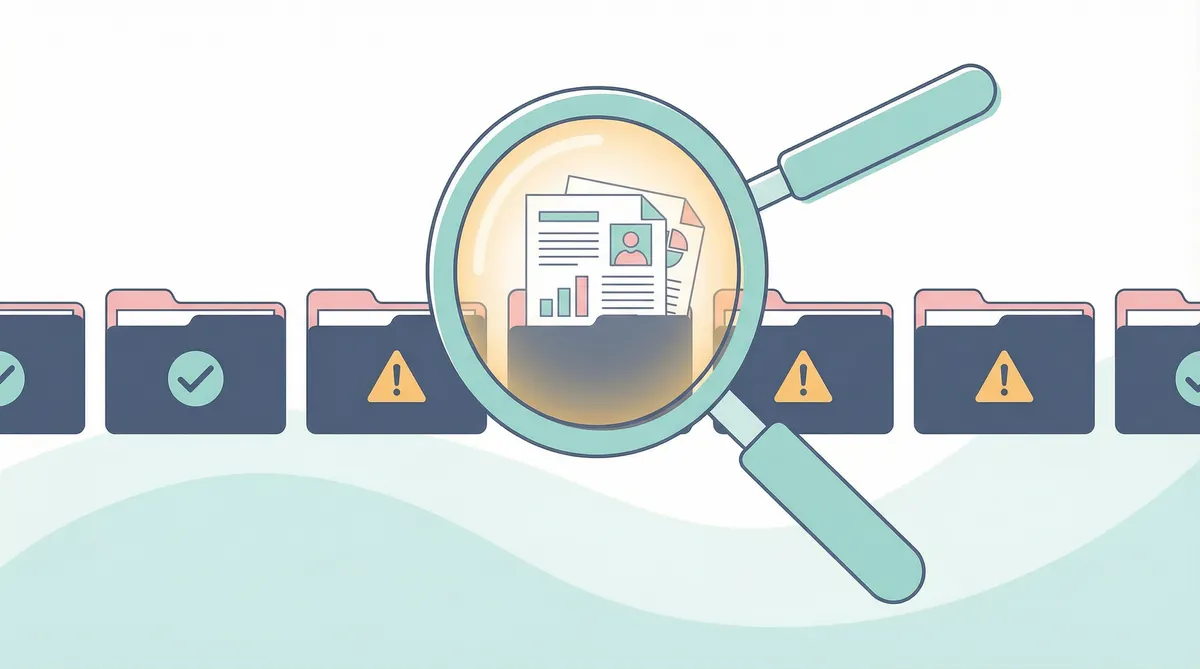
Home Office Compliance Visits Are Often Decided Before the Visit

When people think about a Home Office compliance visit, they often imagine it as a single event. A date in the diary. An inspection that either goes well or badly depending on how confident the Authorising Officer feels that morning.
In practice, the outcome is usually shaped long before the compliance officer arrives, because the visit is a test of alignment across records, systems, and decisions.
This case note explains what the case was, what we did to resolve it before the visit took place, and how to book a call if you want to discuss a similar approach.
What the Case Is
We recently supported a sponsor that chose not to wait until a compliance officer requested documents.
Instead, we treated preparation as a structured process. We selected 10 sponsored worker files in advance and treated them as if they would form the Home Office sample.
The purpose was simple. If a sample file has gaps, inconsistencies, or missing evidence, the visit becomes an exercise in explanation. If the files show alignment, the visit becomes a review of a coherent system.
What We Did to Resolve the Case Before the Visit
Pre-audit of 10 Sponsored Worker Files as the Likely Sample
We selected 10 sponsored worker files and reviewed each file methodically, treating them as representative of what would likely be requested during a compliance visit.
Cross-checking Contracts, Certificates of Sponsorship, and Pay Evidence
Each file was reviewed against key data points that must align:
- Employment contracts checked against the Certificate of Sponsorship details
- Salary figures reconciled against payroll output and payslips
- Working information reviewed for consistency across records
The aim was not volume checking. It was consistency checking.
Verification of Right to Work Evidence
Right to work documentation was verified and reviewed as a complete evidence trail within each file, so that the record showed continuity and could be referenced without relying on memory.
Matching Recruitment Evidence to Role Requirements

Recruitment evidence was matched to the role being sponsored, so the file contained a clear record of why the worker was recruited into that role and how the recruitment trail linked to the position on sponsorship records.
Cross-checking Reporting History
Reporting history was cross-checked so the file reflected what had been reported, what had been recorded internally, and what the sponsor’s operational reality looked like across the same period.
Correction, Rebuild, and Clarification Work
Where inconsistencies appeared, they were corrected. Where documents were missing, they were rebuilt. Where wording created ambiguity, it was clarified so that each file told one consistent story from start to finish.
A file that needs interpretation is a file that invites scrutiny.
Preparing People, Not Only Paperwork
Preparation did not stop at file structure.
The Authorising Officer and sponsored workers were trained to answer questions clearly and calmly, and to refer directly to their files when responding. That approach keeps answers anchored to evidence.
During the visit itself, there was no scrambling for documents, no internal debate about what had been recorded, and no guesswork. The interaction stayed professional because the system underneath it was stable.
What This Case Shows
This case shows the difference between a sponsor that treats compliance as a live operational system and a sponsor that treats it as a last-minute task list.
A compliance visit does not primarily test how well intentions can be explained. It tests whether contracts, Certificate of Sponsorship records, salary evidence, recruitment trail, and reporting logs align.
Related Case Studies
If you want to see what happens when a provider is caught unprepared, read our case study: Unannounced Home Office Visit Case Study.
If you want to understand how salary alignment issues are flagged during checks, read our case study: UKVI Salary Mismatch Case Note.
If you want to see how structured preparation contributed to a successful outcome, read our case study: Care Home Sponsor Licence Reinstated After Suspension.
How the Sponsor Complians Hub Helps
The problems described in this case — gaps in documentation, misaligned records, missed reporting deadlines, and payroll inconsistencies — are exactly the compliance failures the Sponsor Complians Hub was built to prevent.
The Hub gives care providers a single platform to monitor sponsored worker files, track right to work expiry dates, reconcile salary evidence against Certificates of Sponsorship, and maintain audit-ready records at all times. Instead of scrambling to assemble evidence after a Home Office email arrives, providers using the Hub have structured, up-to-date compliance data available continuously.
Whether you are responding to an active compliance check, preparing for a visit, or simply want to know where your gaps are before the Home Office finds them — the Hub is designed to keep you ahead of enforcement, not behind it.
Join the Sponsor Complians Hub →
This article is provided for information only and does not constitute legal advice. All identifying details have been anonymised.
Get Compliance Updates Straight to Your Inbox
Join care providers who receive our weekly sponsor compliance tips, Home Office policy updates, and practical guidance — free.